
Customer care and relations are the foundation of every successful business, and Tara learned this the hard way. After starting her brand, she noticed only a few customers kept returning to buy from her. While she appreciated their loyalty, she knew something was missing.
Determined to find the problem, Tara took a closer look at her business and realized her staff lacked strong customer care and relationship skills. Customers bought the product, but the experience didn’t make them want to come back.
That moment changed her perspective. Every business—whether selling products or rendering services—relies on customer care and relations to grow, retain customers, and build lasting loyalty.
Introduction to Customer care and Relations
Customer Care and Relations refers to the strategies, actions, and behaviors that a company uses to support, engage, and build lasting relationships with its clients. It goes beyond simply responding to inquiries or complaints — it’s about creating positive experiences at every point of contact, ensuring satisfaction, trust, and loyalty. Good quality customer service is usually measured through CUSTOMER RETENTION
At its core, customer care is about understanding client needs, delivering timely solutions, and consistently exceeding expectations. Strong customer relations build a bridge between the company and its clients, turning one-time buyers into long-term partners and advocates.
Why Customer Care & Relations Matters
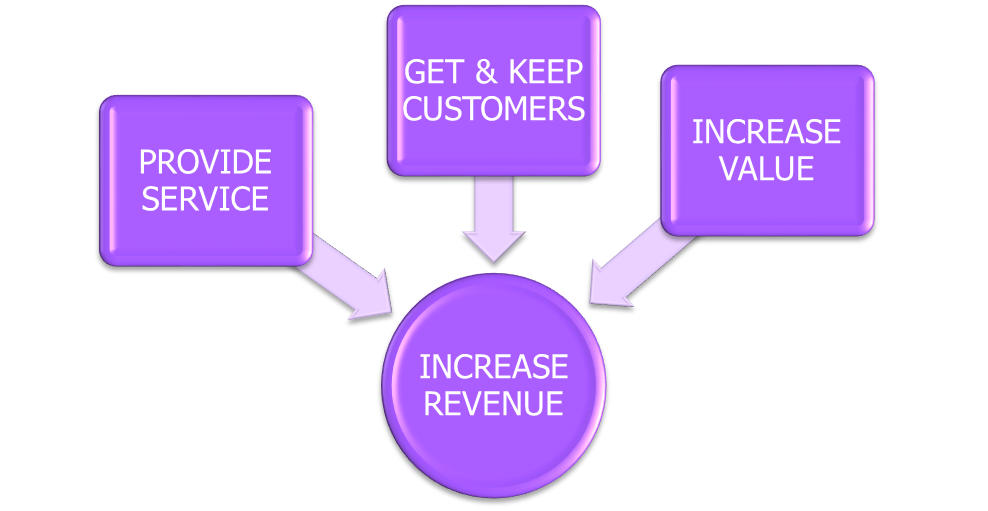
• 80% of revenue comes from 20% of loyal customers
• Satisfied customers tell 2–3 people; dissatisfied tell 8–10
• Retaining customers is 5x cheaper than acquiring new ones
Customer Service & Relations Skill
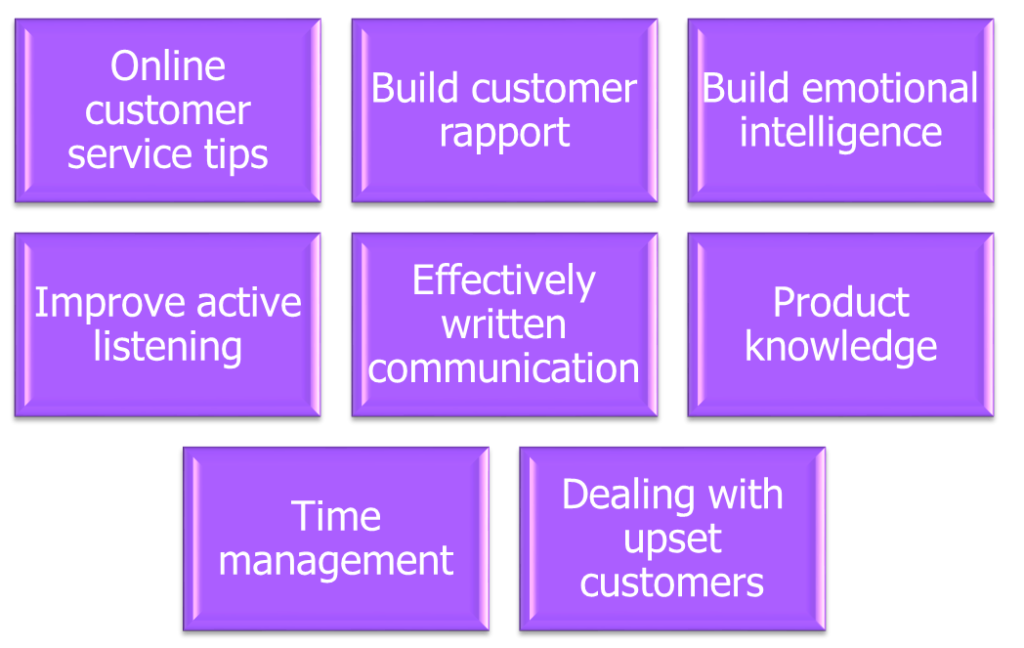
Online Customer Tips
Online Customer Service and Handling Reviews
Online customer service is about going the extra mile for your customers — just as you would in person. It means being polite, empathetic, and proactive in resolving issues. Every interaction is a chance to strengthen trust and build loyalty.
Key Practices:
•Quick Response: Always respond promptly to client inquiries.
•Personalized Engagement: Use names and tailor responses to show you value each customer.
•Responsibility & Empathy: Own up to mistakes, express understanding, and offer practical solutions.
Smart Tools: Use chatbots or auto-responders to ensure customers receive instant acknowledgment (e.g., “Do you offer slickline services?” — “Yes, we do! Here’s a list of our services…”).
Handling Negative Reviews:
When faced with a negative review, see it as an opportunity to learn and improve rather than a setback. Always:
Take responsibility.
Personalize your response.
Apologize sincerely.
Offer a clear solution.
Example:
Client: “I sent an email about your service request and got no response for two days.”
Response: “Dear [Client’s Name], thank you for bringing this to our attention. We sincerely apologize for the delay in response. This is not the standard we strive for. We’ve reviewed your request and resolved it immediately. We appreciate your patience and feedback — it helps us serve you better.”
Build Customer Rapport
Building Rapport with Customers is All about Creating a Bond of Trust. By Learning to Empathize with Your Customers, Having a Genuine Interest in Their Situation and Making Them Feel Valued
Listen for Key Words – Pay attention to what matters most to the customer.
Use Those Keywords – Respond using their own words to show understanding.
Note Their Needs & Concerns – Keep track of specific issues for proper follow-up.
Reflect & Offer a Solution – Acknowledge their concern and take prompt action.
Follow Up: Check back to ensure the client is satisfied with the outcome.
Build Emotional Intelligence
Emotional Intelligence in Customer Relations
Emotional intelligence is the ability to understand and manage your own emotions — and to recognize, empathize with, and influence the emotions of others. It is one of the most essential skills for professionals in customer-facing roles.
It’s not just about being nice; it’s about being aware, intentional, and balanced in how we respond to people and situations. In the workplace, especially , emotional intelligence helps you remain calm under pressure, handle difficult clients tactfully, and build stronger, lasting relationships.
Practical Approach:
Identify Triggers: Be aware of what causes negative emotions — in yourself or in others. Understanding triggers helps you respond calmly and professionally.
Rethink the Situation: Before reacting, pause and view the issue from the customer’s perspective. This promotes empathy and reduces tension.
See the Big Picture: Focus on the ultimate goal — resolving the issue and maintaining a positive relationship with the customer.
Improve Active Listening
Active listening is the ability to fully concentrate on what the other person is saying — not just hearing the words, but understanding the message behind them. It’s a key skill in customer care and client relations because it helps build trust, empathy, and connection.
Key Techniques:
Give Full Attention: Focus completely on the speaker — maintain eye contact, avoid distractions, and be present in the conversation.
Do One Thing at a Time: When listening, just listen. Avoid multitasking or thinking ahead about your response.
Take Notes: Jot down key points to help you ask relevant questions and remember important details.
Ask Open-Ended Questions: Encourage deeper discussion and avoid assumptions — for example, ask “Can you tell me more about that?” or “What would you like us to improve?”
Reflect & Respond: Paraphrase what the speaker has said to show understanding, e.g., “So what you’re saying is…”
Effective Written Communication
Effective written communication is the ability to express ideas clearly and professionally through writing. In customer care and business development, it helps you connect with customers in a way that leaves them calm, satisfied, and confident in your company and brand.
Key Practices:
Use a Descriptive & Specific Headline:
Clearly summarize the purpose of your message. For example: “Update on Your Service Request #1024” instead of “Follow-up.”
Personalize Your Response:
Address the customer by name and reference their specific issue or request. This shows care and attention.
Re-read Before Sending:
Always review your email or message for tone, clarity, and grammar. Make sure it reflects professionalism and empathy.
Make Steps Easy to Follow:
When giving instructions or next steps, use bullet points or numbered lists so the customer can understand and act quickly.
Purpose:
The goal of effective written communication is to build trust and confidence, ensuring that every message you send reinforces your company’s reliability and care for its customers.
Product knowledge
Having strong product knowledge means understanding every aspect of what your company offers — from features and pricing to maintenance and after-sales support. It empowers you to confidently assist customers, answer questions accurately, and build trust through competence. This insight allows you to improve both the customer’s satisfaction and the product itself through informed feedback.
Key Areas to Master:
Our core Services and operations
Technical and maintenance details
Quality management
policies
Dealing With Upset Customer
Handling upset or angry customers requires emotional control and a solution-oriented mindset. Instead of taking complaints personally, focus on how to turn a dissatisfied customer into a satisfied one by responding with empathy and professionalism.
Key Steps:
Adjust Your Mindset – Remember, it’s not about winning an argument but resolving a concern. Stay calm and focus on satisfying the customer.
Listen Actively – Allow the customer to express themselves fully. Maintain eye contact, nod, and show that you genuinely care.
Use Empathy – Try to understand the situation from the customer’s perspective. Acknowledge their frustration and show concern.
Take Responsibility – Even if the issue isn’t directly your fault, own the problem and commit to finding a solution.
Present a Solution – Offer clear, actionable steps to fix the issue. Use positive, reassuring language to rebuild trust.
How To Amaze Your Customer
To truly amaze your customers, you must go beyond meeting expectations — you must exceed them. It’s about doing that little extra thing that makes your customers feel valued, appreciated, and remembered. Exceptional service creates loyal customers and powerful word-of-mouth promotion.
Key Ways to Amaze Customers
Pay Attention and Be Creative – Notice small details and think outside the box to offer thoughtful, unexpected solutions.
Show Genuine Care – Treat every customer as important. Go the extra mile to make their experience smooth and memorable.
Add Real Value – Ask yourself, “What can I do to make this customer’s experience better?” Deliver that added value.
Act on Feedback – Regularly check customer feedback to understand needs, improve weak points, and personalize your service.
Reward Loyalty – Implement simple appreciation programs such as referral bonuses, gift cards, or loyalty discounts.
Keep Your Promises — and Then Do More – Exceed what you initially promised to strengthen trust.
Respond Quickly – Be proactive and responsive across all channels — phone, email, and chats. Quick replies show reliability and respect.
Conclusion
People may forget what you said, but they’ll never forget how you made them feel.” – Maya Angelou
Strong customer care builds trust, and trust builds business.